
A good Indian gravy develops in stages. Aromatics, spices, liquid and finishing ingredients each need appropriate heat and time. These ten checks help you diagnose a sauce that tastes raw, feels heavy or lacks balance.
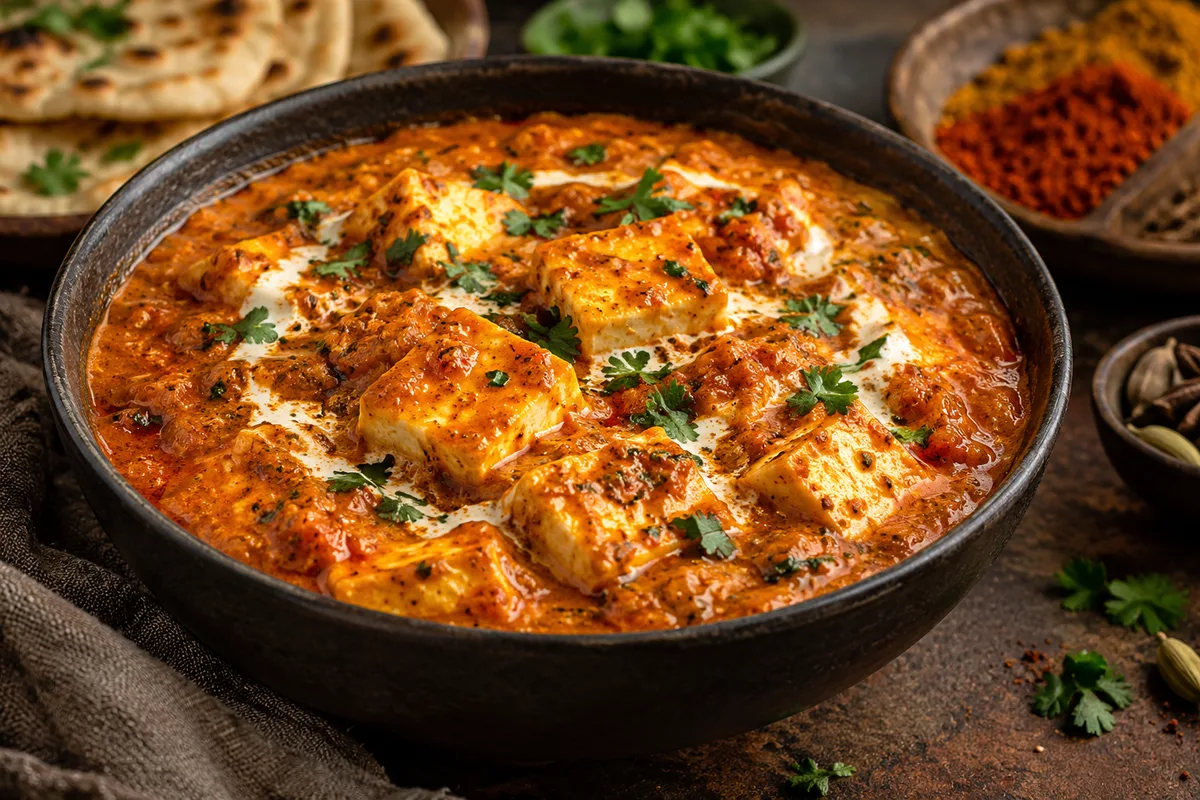
Ten practical checks
- Cut onions evenly. Mixed sizes brown unevenly and can leave bitter pieces beside undercooked ones.
- Choose the onion colour deliberately. Lightly softened onions and deeply browned onions create very different bases.
- Control the pan temperature. Reduce the heat before adding ground spices so they do not scorch.
- Add a splash of water when needed. It helps spices cook without catching on the bottom.
- Cook tomato until the raw aroma softens. Time depends on the pan, quantity and tomato water content.
- Do not treat visible oil separation as the only test. Smell, taste and texture provide better context.
- Add liquid gradually. You can thin a gravy easily, but reducing an over-diluted sauce takes time.
- Blend carefully. Cool hot mixtures enough for your appliance and follow its safety instructions.
- Finish dairy gently. Lower the heat before adding cream or well-whisked yoghurt to reduce splitting.
- Taste again at the end. Salt, acidity and richness change as a sauce reduces.
Match the gravy to the ingredient
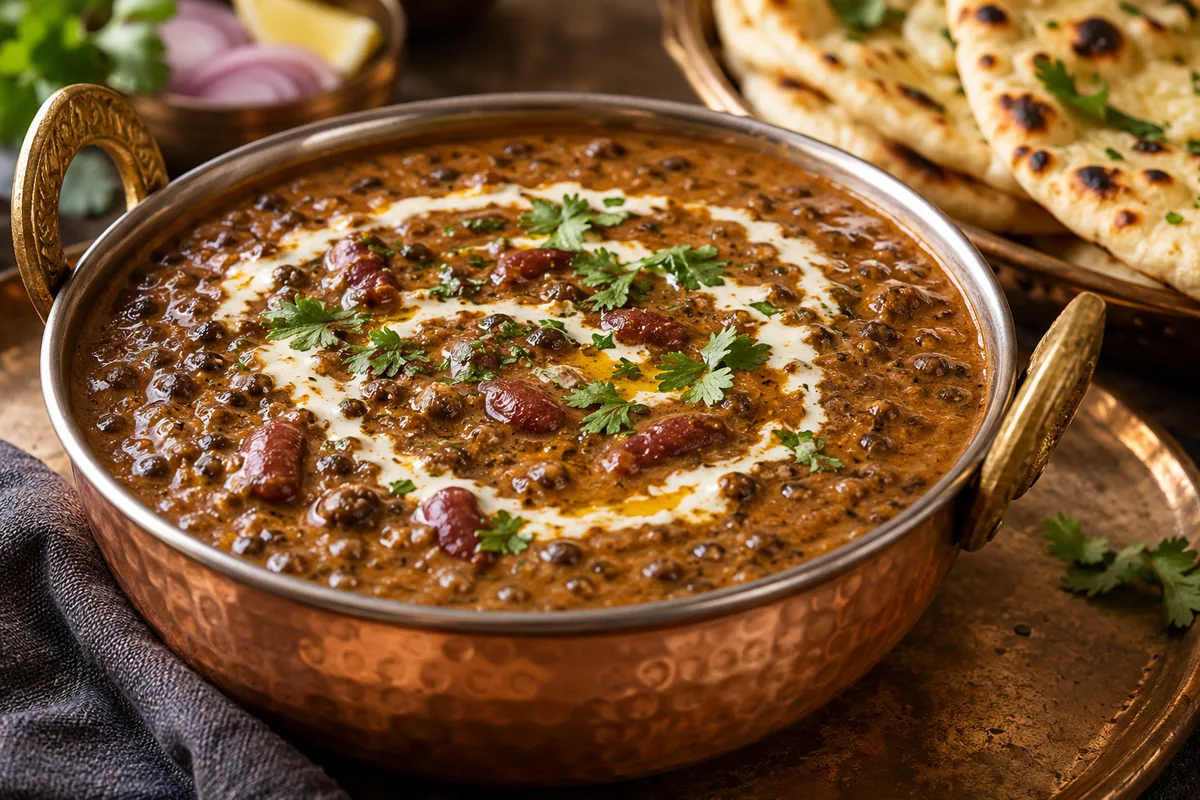
A delicate vegetable may suit a lighter sauce, while slow-cooked lentils can support a more rounded finish. Avoid using a large quantity of cream to hide an undercooked base. It changes the texture but does not remove a harsh spice flavour. Start with a modest amount and taste before adding more.
Troubleshooting
If a gravy is too thick, loosen it with hot water in small additions. If it tastes flat, check salt before adding more spice. A burnt base should not be scraped into the sauce: transfer the unburnt portion to a clean pan and assess whether the flavour is still usable. Strong bitterness may mean starting again.
Chef Tip: Write down the onion weight and the liquid added. Repeating a good result becomes much easier when you know your proportions.
Put these ideas into practice with our dal makhani guide or serve your next curry with homemade naan.




0 Comments